
Ever feel like your home runs the show instead of you?
Things disappear right when you need them most.
You’re definitely not the only one.
Professional organizers use one simple, powerful method to fix that—zones organizing your home by categories.
This approach helps you decide exactly where everything belongs and keeps it there.
Start using zones and organizing your home by categories to take back control and bring calm to every corner.
What Does It Mean to Organize in Zones?
Think of your home like a grocery store. Everything is grouped by purpose—produce, dairy, snacks, frozen foods—making it easy to find what you’re looking for. That’s the idea behind zones: organizing your home by category. Instead of storing items randomly wherever there’s space, you create intentional areas based on how things are used.
Why Zones Work
Organizing in zones is a simple but powerful way to bring order to your home. It makes finding things faster—no more digging through three different drawers just to find the scissors. It also reduces clutter because when everything has a designated spot, it’s easier to put things back. You’ll save time and peace of mind—because everyone finally knows where things belong. No more mystery piles.
Every zone I share comes from real life—the messes, the routines, and the moments that fill your day. The goal isn’t a picture-perfect home. It’s a space that actually supports how your family lives.
Each zone has a purpose that makes daily life easier.
It’s where cooking happens, laundry gets folded, and kids create their next masterpiece.
When every space works with you, your whole home starts to feel lighter.
I noticed it first in my kitchen—once everything had a zone, chaos disappeared.
Grouping items by how and where we use them changed everything.
I wasn’t just organizing—I was simplifying our days.
These zones take away the guesswork and make cleanup so much easier.
Even my kids know where things go now, and that’s a game changer.
A prep zone near the counter, a basket for lost socks in the laundry room—small shifts, big relief.
Each zone makes life smoother, one category at a time.
Because when your home runs on purpose, peace naturally follows.
Master the Art of Zones: Organizing Your Home by Categories That Actually Make Sense
To make zones organizing your home by category work, start by noticing how your family uses each space daily. Start with one room and identify the different activities that happen there—like cooking, cleaning, relaxing, or working. Then, group related items together based on their function and store them in the area where they’re used most often. In the kitchen, store all baking tools together in a cabinet near your prep counter. In the entryway, create a drop zone for shoes, bags, and keys.
When you organize your home by zones and categories, focus on what’s practical—not just what looks good.
Your goal is a home that’s easy to navigate and simple to maintain. Use baskets, bins, drawer dividers, or clear containers to help define each zone and keep it organized. Labeling can be especially helpful for shared spaces or for helping kids stay on track.
No matter your space size, zones organizing your home by categories adds structure, flow, and simplicity. Let’s break it down by room so you can start zoning right away
Step 1: Where the Chaos Begins:
Transform the Heart of Your Home with Zones: Organizing Your Home by Categories That Create Calm
The Kitchen
If there’s one place in my home that used to drive me a little nuts, it was the kitchen. Between rushed breakfasts, endless snack requests, and the daily dinner shuffle, it felt like everything landed there—literally. Once I started organizing the space into zones, things finally clicked. Suddenly, I wasn’t running laps around the kitchen looking for a spatula or digging through drawers for the measuring cups. It became easier to cook, clean, and even get the kids involved. Trust me—if you start anywhere, start here.

The kitchen is the heart of the home—a place where meals are made, messes happen, and memories are shared. Because the kitchen stays busy all day, clear, functional zones make your daily routine so much easier.
Start by noticing the tasks you do most—cooking, prepping, cleaning, and packing lunches—and where they happen. Then, arrange related items nearby so you’re not zigzagging across the kitchen every time you make a meal. Below, we break it down into four key zones to help you streamline your space and simplify your day.
Kitchen :Cooking Zone
When it comes to zones organizing your home by category, your Cooking Zone should be all about accessibility and efficiency. Keep your go-to items—pots, pans, spatulas, oven mitts, and hot pads—close to the stove or oven.
That way, you’re not scrambling when it’s go-time.
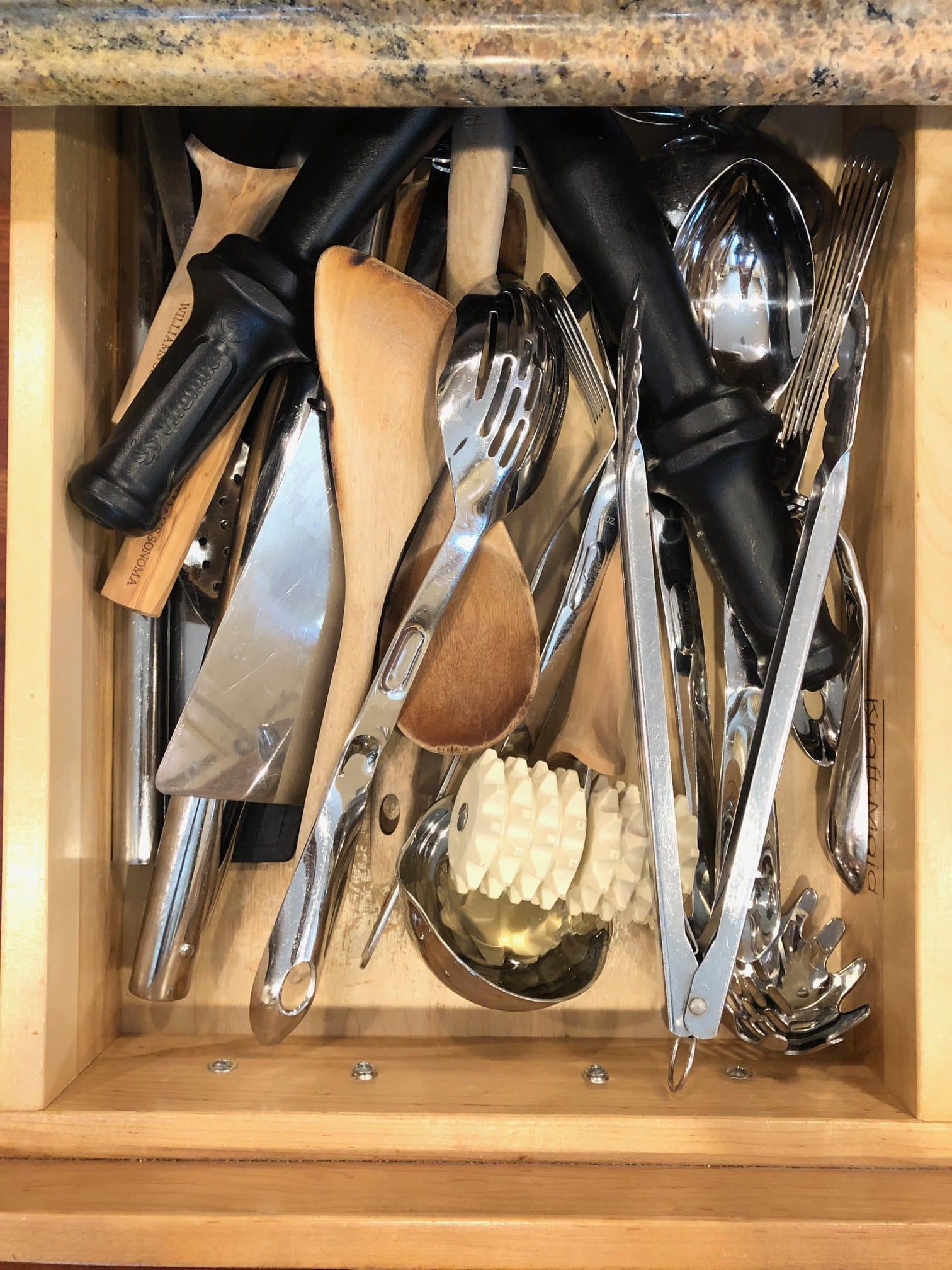
Use drawer dividers to keep utensils tidy and easy to grab.
Add a countertop crock or wall-mounted rail for quick access and a touch of style.
You might also dedicate a nearby cabinet to lids and baking sheets so everything is centralized. Create a smooth flow from stove to counter to plate. When dinner’s bubbling or something’s burning, everything you need is within reach.
With the right setup and a focus on zones organizing your home by categories, cooking feels calmer and faster. You’ll enjoy the process instead of rushing through it.

Kitchen :Prep Zone
The Prep Zone is where you get down to business—chopping, mixing, measuring, and everything in between. It’s essential to have a spacious, clear countertop designated for these tasks so you can spread out without feeling cramped. The closer your tools are to your workspace, the easier and faster your prep time will be. Store your cutting boards, knives, and mixing bowls near your prep area.
That way, you’re not walking across the kitchen mid-recipe.
Keep measuring cups, peelers, graters, and other tools in dedicated drawers or small caddies.
This setup keeps everything organized and clutter off your counters.
You can even consider a drawer organizer for knives and utensils so they stay neatly separated and easy to grab. The goal is to streamline your setup so you can get into the cooking zone quickly without distractions.
One helpful tip for zones organizing your home by categories is to group similar items in baskets or containers. Store all your measuring spoons, cups, and tools like timers or thermometers in one spot for easy access. If you have extra counter space, add a small prep cart for spices or oils you use often.
When everything has a place, cooking feels calmer and more focused.
With a Prep Zone built through zones organizing your home by categories, meal prep becomes faster and stress-free.
Kitchen :Cleaning Zone
The Cleaning Zone holds all your must-have supplies—sponges, dish soap, sprays, and other kitchen essentials. Keep this zone under the sink or near the dishwasher for quick access.
It’s designed to make cleaning faster, easier, and more efficient.
Keep your dish soap, sponges, dishwasher pods, and scrub brushes all within easy reach. For extra organization, consider using a pull-out organizer, which allows you to keep supplies neatly stored and easily accessible. Use a pull-out shelf or divider to stop clutter and make supplies easy to grab.

Use a handled caddy to carry supplies from the sink to the counters or around the house.
Organize trash bags, cloths, and wipes in small containers or baskets to keep them tidy.
Short on space?
Hang organizers or hooks inside cabinet doors for gloves or cleaning rags.
Keep a separate bin for used sponges or dish towels so they don’t mix with clean supplies. When everything’s stored and easy to grab, cleaning feels quick and simple.
The goal is to reduce friction—know where your essentials are and stay focused on the task.
If space is tight, think vertically.
Hang organizers or hooks inside cabinet doors for gloves or cleaning rags.
Keep a separate bin for used sponges or dish towels so they don’t mix with clean ones.
When everything’s easy to grab, cleaning feels quick instead of overwhelming.
The goal is simple—know where your essentials are so you can focus on the task, not the mess.
Kitchen :Lunch/Pantry Zone
A lunch and snack zone is a total game changer for busy families.
Use a pantry shelf, drawer, or lower cabinet for lunchboxes, containers, and snacks.
Keeping everything together saves time and encourages independence.
Kids can grab what they need and even help pack their lunches.
To stay organized, use clear bins or labeled baskets so everyone knows where everything goes.Use one basket for ready-to-pack snacks like granola bars or applesauce pouches.
Keep another for refillable water bottles.
Use a third for empty containers and lids.
Reserve space for quick meals and pantry staples like pasta, rice, or peanut butter.
This setup makes last-minute meals simple.
If space allows, consider adding a small lazy Susan for easy access or drawer inserts for dividing snack types. When everything has a home, mealtime (and cleanup) becomes a whole lot smoother.
Step 2: Streamlining the Clean — Organizing Your Cleaning Supplies
Simplify the Sparkle with Zones: Organizing Your Home by Categories to Organize Your Items at Home by Category

The Laundry Room
The laundry room used to be one of the most frustrating spots in my home. Between the mountains of clothes, missing socks, and mystery stains, it felt like a constant game of catch-up. I used to dread stepping in there—until I decided to treat it like any other space in my home and give it a real system. Creating simple zones for washing, folding, treating stains, and even lost-and-found items made the biggest difference. Now, laundry isn’t nearly as chaotic, and I don’t lose track of half-finished loads or random items left in pockets. It’s not perfect, but it finally works—and that’s a win.

Once I set up those functional zones, everything started to flow more smoothly. I added clearly labeled baskets for different laundry stages: one for dirty clothes, one for items that need special care, and another for clothes that are ready to be folded. I also made space for my go-to stain treatment products right next to the washer, so I can quickly spot treat before tossing clothes in. Keeping everything within arm’s reach made a huge difference. And, now that I have designated areas for sorting, folding, and putting away, I’m able to get laundry done faster and with less frustration. With a little planning, my laundry room went from a chaotic mess to a streamlined space that helps me stay on top of the laundry without feeling overwhelmed.
Laundry Room : Washing Supplies Zone
When setting up zones organizing your home by category, your Washing Supplies Zone becomes the go-to spot for everything you need to get the laundry started—think of it as the command center for wash day. Keep detergent, dryer sheets, stain removers, fabric softener, and bleach all in one designated area, ideally within arm’s reach of your washer. If you’re tight on space, consider using a small shelf, a wall-mounted rack, or a slim rolling cart that fits between the machines.
Clear bins or labeled baskets work great for keeping like-items grouped together, and they make it easy to see when you’re running low. You can also decant detergent into a stylish dispenser or use a scoop jar to cut down on bulky packaging and make the space look a little neater. With zones organizing your home by category, having all your washing supplies in one tidy, easy-to-reach place saves time and eliminates the frantic search for stain spray or detergent mid-load. It’s a small change that makes a big difference in your daily laundry flow.
Laundry Room : Folding & Sorting Zone
The Folding Zone is your dedicated space to keep things tidy while tackling one of the most time-consuming laundry tasks. Ideally, this should be a flat surface, such as a table or counter, where you can comfortably fold clothes without having to bend over or juggle piles. If space is limited, a sturdy drying rack or a long, clean countertop works just as well.
For a more organized setup, you can designate baskets or bins for sorting laundry by family member, type of clothing, or even by clean vs. needs-ironing categories. Having a dedicated spot to sort and fold as you go prevents clothes from piling up in laundry baskets or getting lost in the laundry room. Another tip is to keep a small basket or bin nearby for mismatched socks or items that need repairs, so they don’t distract you from the task at hand. The goal here is to keep your laundry routine moving smoothly and efficiently, without creating extra clutter that can make it feel like an even bigger chore.
Laundry Room : Lost & Found Zone
The Lost & Found Zone is where you can quickly collect items that tend to get lost in the laundry process. Create a small basket or bin where you can toss stray socks, missing buttons, or items that accidentally end up in pockets. This zone helps you stay organized by keeping everything in one place so you don’t have to search for those little things later. It’s a simple way to prevent frustration and ensure that mismatched socks or forgotten receipts don’t go unnoticed.
Laundry Room : Pre -treat Zone
The Pre-Treat Zone is all about taking care of stains before they hit the laundry. Having a designated area for stain removers, spot cleaners, and scrubbing brushes makes treating those unexpected spills or stains much easier. Whether it’s a dab of dish soap for a grease stain or a special fabric spray for a stubborn mark, having everything in one place ensures you’re always ready for action. Ideally, store these supplies near your washing machine, or in a small caddy or cabinet in your laundry room, so they’re easily accessible when a mess happens.
If you often deal with different types of stains, you might want to organize by stain type—having a separate section for grease removers, fabric-safe bleach, or even pre-treatment sprays for specific fabrics like delicates. This will help you quickly grab the right product and prevent any mix-ups. Consider adding a small scrub brush or sponge to your pre-treat zone for extra power when needed, and don’t forget to keep a clean rag or towel nearby to gently blot stains without spreading them. This simple setup can save you time and frustration by ensuring stains are treated effectively right away, so your clothes come out of the wash as clean as possible.
Laundry Room : Repair & Care Zone
The Repair and Care Zone is where you keep everything needed to maintain and repair your clothes. Whether it’s fixing a loose button, mending a tear, or caring for delicate fabrics, this zone helps you stay proactive about clothing maintenance. Set aside a drawer, basket, or small area in your laundry room for essentials like needles and thread, fabric glue, safety pins, and extra buttons. Having these tools on hand makes it simple to quickly address minor issues before they become bigger problems.
In addition to sewing supplies, this area can also hold garment care items such as fabric softener, wool dryer balls, and specialty detergents for delicate fabrics. Organizing these items in bins or small containers ensures everything is easy to find and grab when needed. By keeping up with repairs and taking the time to care for your clothes, you’ll help them last longer, saving money and reducing waste.
Laundry Room : Hanging Zone
The Hanging Zone is all about making sure your clothes dry or store properly without adding extra wrinkles or clutter to your laundry room. This area should be equipped with a sturdy rod, hooks, or even an adjustable drying rack, depending on your space. Use this zone to hang up freshly washed clothes that need to air dry, such as delicate fabrics, dresses, or shirts that could stretch out in the dryer. Having a designated space for these items keeps them organized and prevents them from piling up on furniture or the floor.
To make this zone even more efficient, consider adding a basket or small shelf below the hanging area for items that need to be folded or put away later. You can also store hangers nearby, so they’re always accessible when you need them. With a dedicated Hanging Zone, you’ll avoid last-minute scrambling to find space for drying clothes and keep your laundry routine running smoothly.
Step 3: Streamlining the Clean — Organizing Your Cleaning Supplies
Simplify the Sparkle with Zones: Organizing Your Home by Categories That Keep Cleaning Effortless
Cleaning supplies can quickly turn into a jumbled mess if they’re left scattered around the house. I used to spend way too much time searching for the right cleaner or cloth, and it always felt like I was hunting for supplies every time I needed them. That’s when I realized—zones organizing your home by category make a huge difference. Having a designated spot for everything keeps things simple and stress-free. Now, I keep all my essential cleaning products in one place (I personally love using a caddy in my garage cabinet), and it’s a total game changer. It saves me time, eliminates clutter, and makes cleaning a lot less stressful.
When it comes to zones organizing your home by category, the goal of your Cleaning Supplies Zone is to create a space where all your essentials are easy to find and access—without the clutter. Whether you have a large cabinet, a designated shelf, or a handy caddy, grouping your cleaning products in one place can save you a ton of time and frustration.
By organizing items like multi-surface cleaners, disinfectant wipes, microfiber cloths, and gloves together, you’ll always know exactly where to reach for what you need. With zones organizing your home by category, cleaning becomes smoother, faster, and far less stressful—because when everything has a home, so do you. Let’s get your supplies organized so you can enjoy a tidier home without the daily scramble.
Pro Tip: If your home has multiple levels, consider keeping a mini caddy on each floor. I love this because I don’t have to run up and down the stairs looking for supplies—I always have what I need right nearby. Having everything in one place means I no longer waste time searching for products, and it makes my cleaning routine so much smoother and faster!
Step 4: Play, Organize, Repeat– Kids’ Zones

When it comes to kids’ stuff, organizing can feel like trying to catch a whirlwind. But creating dedicated zones for different activities can help keep things from feeling out of control. Whether it’s crafting, homework, or toys, setting up these zones makes it easier for your kids to find what they need and, most importantly, put things away when they’re done.
In our home, setting up simple, labeled bins made a huge difference—especially for the never-ending sea of crayons and tiny toy pieces. My kids now know exactly where things go, and while cleanup still isn’t perfect (let’s be real), it’s no longer a full-blown battle every night. Giving them their own little spaces has helped them feel more responsible for their stuff—and made my life a whole lot easier.
Craft Zone
If your kids love to create, a craft zone is a game changer. Store markers, crayons, colored pencils, paper, glue, and other supplies in labeled bins or drawers so they know exactly where to find what they need. This not only keeps things tidy but also encourages them to take responsibility for cleaning up. Use clear containers or open baskets to make it easy for them to see and grab what they want, or get creative with dividers to keep everything organized by category.
I used to feel like I was constantly picking up after my kids—art supplies on the table, toys in every corner, and no clear place for anything to go. Once we created simple zones for their things, everything shifted. Now, the crayons live in one bin, the homework tools have their own drawer, and even the toys are easier to manage. It’s not about perfection—it’s about giving your kids structure that works. One thing that really helped us? We added picture labels to the bins so even my youngest could help clean up without asking where things go. When everything has a place, cleanup becomes less of a battle and more of a natural part of their routine.
Homework Zone
A designated homework space can reduce distractions and help your kids focus on schoolwork. Keep pencils, erasers, calculators, chargers, and other essentials in one area so they aren’t scrambling to find what they need. A small container or pencil case can hold the basics, while a separate drawer or bin for school papers and notebooks keeps everything organized and easy to access.
At our house, we use a rolling cart with three drawers—one for supplies, one for papers, and one for finished assignments that need to go back to school. It’s simple, mobile, and easy for the kids to manage on their own. I’ve found that when they know exactly where things go, there’s a lot less fuss at homework time—and way fewer excuses about missing supplies!
Toy Zone
The key to a clutter-free playroom is organizing toys by category. Legos go with legos, dolls with dolls, action figures with action figures. Not only will this make clean-up time quicker, but it also helps kids learn to categorize and organize their toys themselves. Use bins, baskets, or shelving units to keep things neatly stored, and label everything to make finding and returning toys easier.

By creating these distinct zones, you’ll save time, reduce clutter, and help your kids develop good organizational habits. Plus, you’ll bring a little more peace and order into your home—because let’s face it, managing kids’ stuff can be chaotic, but with the right system, it doesn’t have to be overwhelming!
Step 5: Where Rest Meets Order: Bedroom & Closet
Your bedroom should feel like a peaceful retreat, not a place where chaos piles up. One of the easiest ways to create that calm environment is by organizing your closet. Start by hanging like with like—group shirts together, pants together, and jackets with jackets. This simple step helps you find what you need quickly, making getting dressed in the morning so much easier.
Your Bedroom Zone
I personally keep a “go-to” section for my favorite outfits—those pieces I reach for time and time again. It’s perfect for busy mornings when I don’t want to think too hard about what to wear. For limited closet space, consider adding hooks or a second-tier hanging rod for easier access to your most worn items. Additionally, keeping your bedside zone organized can make bedtime more relaxing. A nightstand drawer is a great place for items like a phone charger, sleep mask, a good book, or a soothing lotion. This way, everything you need before bed is right at your fingertips, making your nightly routine stress-free and calming.
Kids’ Bedroom Zone

When it comes to your kids’ bedroom, organization can truly help them develop a sense of independence. Start by organizing their closet with the same “like with like” rule—group shirts, pants, jackets, and dresses together. This makes it easier for them to find what they need and start dressing themselves. You can also create a “go-to” section for their favorite outfits—those pieces they love and often wear. Having them in one place gives kids the ability to choose their clothes with confidence. If closet space is limited, you can add hooks or even a second-tier rod to make their favorite clothes more accessible.
For the bedside zone, consider using a small bin or basket to hold bedtime essentials, like a favorite book, a soft toy, or a small lamp. A tidy, easy-to-reach spot can make a big difference when they’re winding down for the night. Organizing these areas in their room encourages good habits and makes their space more functional—helping them keep things tidy and enjoy their room as a special place for rest and relaxation.
Closet Zone
Your closet is more than just a space to store clothes—it’s a place that sets the tone for your daily routine. To keep it organized and stress-free, start by hanging like with like—group shirts, pants, jackets, and dresses together. This simple organization trick makes finding what you need a breeze, especially when you’re in a rush. I personally love having a “go-to” section where I keep my favorite, often-worn outfits. It’s a game-changer for busy mornings when you don’t have time to think about what to wear.
For those with limited closet space, don’t underestimate the power of hooks, bins, or a second-tier rod to keep your most-loved items within reach. With a little planning, you can maximize your closet’s storage potential. Don’t forget to keep accessories, shoes, and bags organized as well—whether it’s in dedicated bins or hanging organizers, this keeps everything neat and easy to access. When your closet is set up for success, it’s easier to maintain, and getting dressed feels like a seamless, stress-free part of your day.
Tips to Keep Zones Working Long-Term: Organizing Your Home by Categories That Last
Label everything—even the obvious stuff
It might feel like overkill at first, but labels are one of the most powerful tools in maintaining an organized home. When every bin, drawer, and shelf has a clear label, it removes the guesswork and makes it easy for everyone in the family to know where things belong. This means fewer random piles, fewer “Mom, where’s the…?” questions, and way less stress for you. Labels also reinforce habits—especially for kids—by providing a simple visual cue for where to put things back. Whether you use a label maker, chalkboard tags, printed cards, or even pictures for little ones who can’t read yet, consistent labeling keeps your systems strong and sustainable. The more obvious you make it, the easier it is to stay organized without constant reminders.
Do quick check-ins monthly
Your zones don’t have to be perfect to be powerful—but they do need a little upkeep to stay functional. Set a reminder once a month to do a quick walkthrough of your main zones and see what’s working and what’s not. Are items drifting out of place? Are there things piling up that no longer belong? These check-ins don’t need to take long—just 10 to 15 minutes per zone can make a significant impact. declutter any misplaced items, and make minor adjustments based on your current needs. Maybe the kids are into new toys, or your pantry organization needs a quick update. These mini resets help prevent clutter and ensure your organizing systems function smoothly—without the stress of a complete reorganization.
Involve your family
Organizing your home is not a one-person job; it requires teamwork. Once your designated zones are established, take a few moments to guide your children, partner, or any household members through the system. Demonstrate where items belong, explain the reasoning behind their organization, and how it simplifies daily life for everyone. The more they grasp the “why” of the setup, the more likely they are to respect and maintain it. This approach is particularly beneficial for children—clear explanations, along with visual labels, help foster responsibility and independence. When the entire family is involved, it leads to fewer lost items, reduced mess, and greater peace of mind. You’ll spend less time reminding others and more time enjoying a home that supports your lifestyle.
Final Thoughts on Zones: Organizing Your Home by Categories That Create Lasting Calm
Zoning isn’t about creating a picture-perfect home—it’s about creating a home that works for you. When items are grouped by use and placed where you actually need them, everyday routines become smoother, faster, and a whole lot less stressful. Suddenly, you’re not wasting time hunting for things or cleaning up constant messes.
But here’s the key: you don’t have to tackle everything at once. If you’re feeling overwhelmed, don’t worry about organizing your entire house right away—just start with one of the zones we’ve covered. Maybe it’s the kitchen prep zone, the cleaning supply area, or even your kids’ toy zone. Focus on one space that will make daily life feel a little easier. Once that zone is in place and working, you’ll build confidence—and momentum—for the next one.
Each small step makes a big difference. And once you feel that first win, it becomes easier to keep going. You’ll be surprised how quickly one organized space can inspire momentum in the rest of your home. Remember: It’s not about perfection—it’s about creating a home you love, one step at a time.
If you’re prepared to run your home like a BOSS and seek additional guidance on creating a space you love, don’t miss my free PDF guide, “The Neat Home Life: 5-Step Kickstart to Organizing.” It’s filled with valuable tips to help you organize every area from beginning to end.

Download your free guide to discover the complete advantages of zoning, streamline your routines, and finally gain control over your environment. You’ve got this—let’s embark on the journey of creating a home that feels serene, functional, and authentically you.

